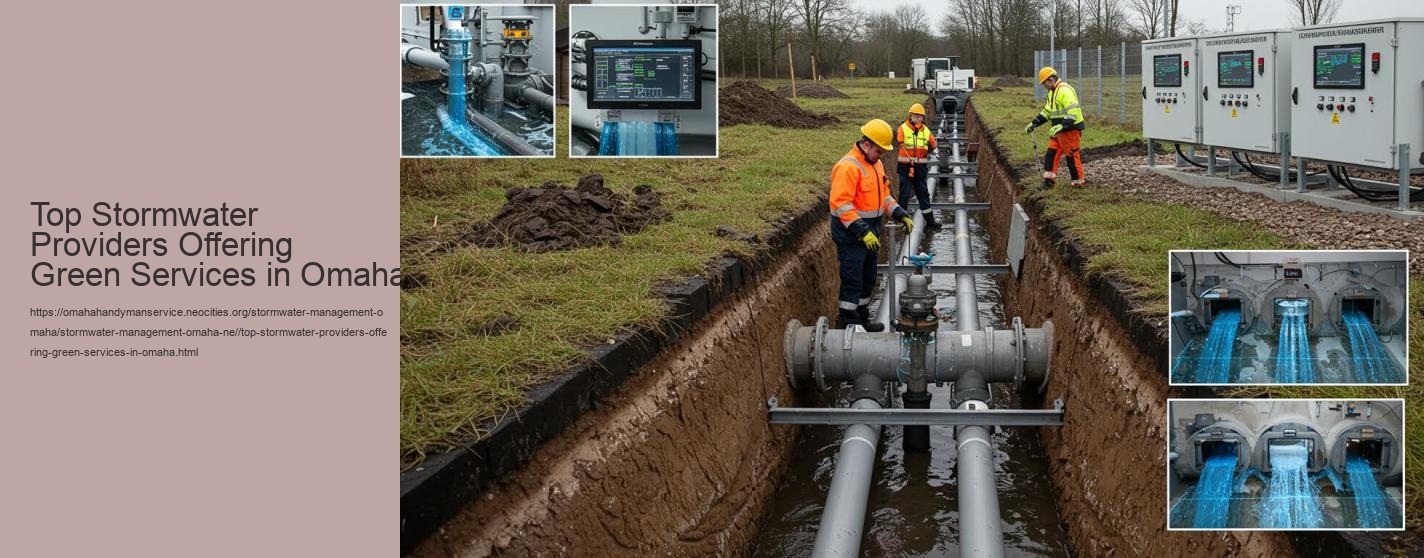
Implementing Rainfall Gardens for Urban Areas
Implementing rain yards in metropolitan locations is a crucial action in improving stormwater administration, specifically in cities like Omaha, NE, where managing stormwater overflow is an expanding problem. Rain gardens are superficial, landscaped anxieties created to record and filter rainwater from invulnerable surfaces such as rooftops, driveways, and streets. By including rainfall yards into urban preparation, Omaha can resolve stormwater obstacles while simultaneously producing greener and much more sustainable communities.
Among the biggest benefits of rain yards is their capability to reduce runoff and avoid flooding. In metropolitan locations, rainwater frequently streams swiftly over difficult surfaces, overwhelming tornado drains and increasing the danger of localized flooding. Rain yards serve as a natural sponge, permitting water to penetrate the soil as opposed to hurrying right into stormwater systems. This reduces the anxiety on local framework while also charging groundwater products.
Rainfall yards likewise play a critical duty in improving water quality. During heavy rains, drainage collects contaminants such as oil, plant foods, and garbage, which at some point make their way into rivers and streams. By recording and filtering this drainage, rain gardens aid stop these pollutants from entering Omaha's rivers, securing aquatic communities and making sure cleaner water for citizens.
Furthermore, rain yards boost city aesthetic appeals and advertise biodiversity. These green rooms can be planted with indigenous plant life, which not only prospers in the local environment but likewise brings in pollinators like and butterflies. This develops a more vibrant and eco-friendly urban landscape, adding to locals lifestyle.
For Omaha, carrying out rain gardens straightens with wider initiatives to embrace lasting stormwater monitoring practices. House owners, companies, and local governments can all contribute by including rainfall yards into backyards, parks, and public areas. Educational efforts can likewise raise awareness regarding their advantages and motivate widespread fostering.
In conclusion, rain yards are a practical, affordable, and eco-friendly service to Omaha's stormwater challenges. By minimizing runoff, improving water high quality, and improving metropolitan eco-friendly areas, they stand for among the best practices for handling stormwater in urban locations. Accepting this strategy will certainly not just alleviate flooding threats yet also contribute to a much healthier and more lasting city for generations to find.
Making Use Of Permeable Sidewalks to Minimize Overflow

Making use of permeable sidewalks is just one of one of the most effective techniques for decreasing stormwater overflow, making it a vital practice for stormwater management in Omaha, NE. Absorptive sidewalks are developed to enable water to go through their surface area, infiltrating the ground listed below rather than running off right into streets, storm drains, and waterways. This method not just minimizes the volume of drainage yet additionally helps enhance water quality by removing pollutants as water percolates with the sidewalk and underlying layers.
In Omaha, where stormwater administration is vital due to the city's mix of city advancement and natural rivers, absorptive sidewalks can play a substantial function in mitigating flooding and erosion. Typical impervious surface areas like asphalt and concrete prevent water from soaking right into the ground, resulting in extreme overflow that bewilders drainage systems during heavy rains. By replacing these surface areas with absorptive options, such as porous asphalt, pervious concrete, or interlacing pavers, cities and homeowner can significantly reduce the pressure on stormwater facilities.
Past stormwater management, absorptive sidewalks give fringe benefits that align with sustainability goals. For example, they help recharge groundwater materials, assistance plants growth in city areas, and reduce the warm island effect by allowing cooler, moisture-retaining surface areas. In Omaha's residential and commercial developments, including absorptive sidewalks in parking lots, driveways, walkways, and also streets can produce a more resilient urban setting while contributing to a cleaner, much healthier community.
To make best use of the performance of permeable sidewalks, appropriate setup and maintenance are vital. These systems require mindful site preparing to guarantee adequate drainage and soil conditions, along with normal cleaning to prevent obstructing from sediments and debris. With ongoing efforts to promote eco-friendly framework in Omaha, embracing absorptive pavements as a best practice for stormwater management will certainly not just address instant water drainage concerns however likewise lead the way for a much more lasting and adaptive community. By collaborating, citizens, organizations, and city organizers can welcome this ingenious remedy to guard Omaha's water resources and metropolitan landscape.
Enhancing Public Recognition and Neighborhood Participation
Enhancing public understanding and neighborhood participation is a keystone of efficient stormwater monitoring in Omaha, NE. With stormwater overflow adding to water pollution, flooding, and environment deterioration, it is essential for the area to actively join protecting the neighborhood atmosphere. Easy Checklist to Prevent Basement Flooding During Omaha Storms . By fostering a shared feeling of duty and furnishing residents with knowledge, Omaha can take meaningful steps towards lasting stormwater methods.
Public understanding starts with education. Homeowners should recognize the link in between daily activities and stormwater top quality. Simple activities, such as appropriately throwing away waste, minimizing plant food use, and preserving clean streets, can significantly decrease pollutants entering storm drains pipes. Stormwater erosion repair Omaha Nebraska patches up yards before they slide downhill. Workshops, educational projects, and institution programs can help spread this knowledge, producing a much more educated and ecologically mindful area. As an example, training home owners regarding rain gardens, rainfall barrels, and absorptive sidewalks can empower them to make small, yet impactful modifications on their buildings.
Community participation amplifies these initiatives. Volunteer programs, such as area clean-ups and tree-planting initiatives, not only improve stormwater management however likewise foster a sense of satisfaction and unity among citizens. Collaborations between local governments, services, and nonprofits can better support these activities by offering resources and financing for tasks like environment-friendly facilities installments. When locals see concrete results from their cumulative initiatives, they are more probable to stay engaged and dedicated to lasting adjustment.
In addition, clear communication in between city officials and the public is crucial.
Stormwater erosion repair Omaha Nebraska patches up yards before they slide downhill.
- Stormwater retention solutions Omaha NE
- Stormwater erosion repair Omaha Nebraska patches up yards before they slide downhill.
- Stormwater waterproofing Omaha NE
- Residential yard flooding Omaha NE
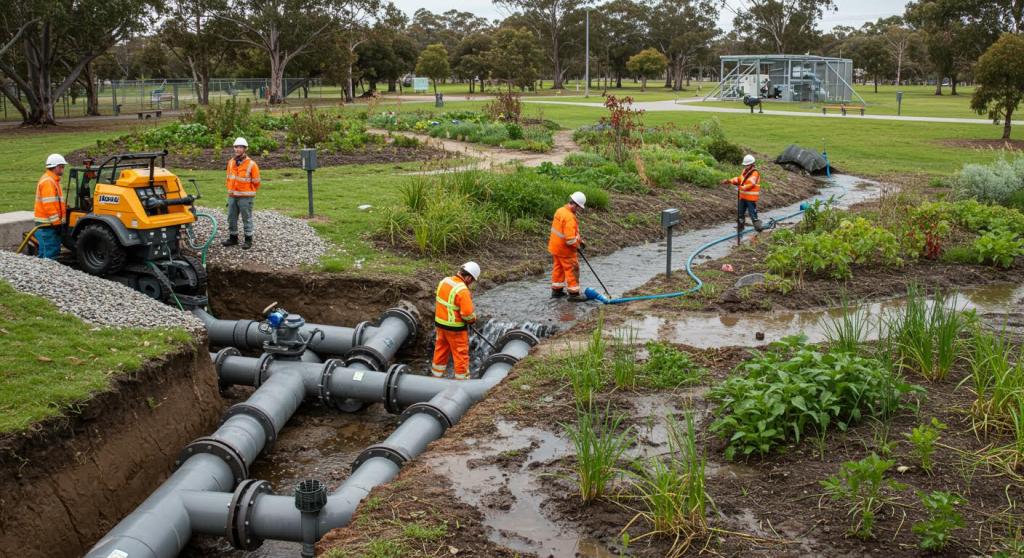
In conclusion, improving public recognition and promoting community participation are essential components of stormwater administration in Omaha, NE. By informing locals, urging their engagement, and maintaining open communication, the city can produce a society of ecological stewardship. This collective initiative will not only safeguard Omahas rivers but likewise ensure a cleaner, healthier future for generations ahead.
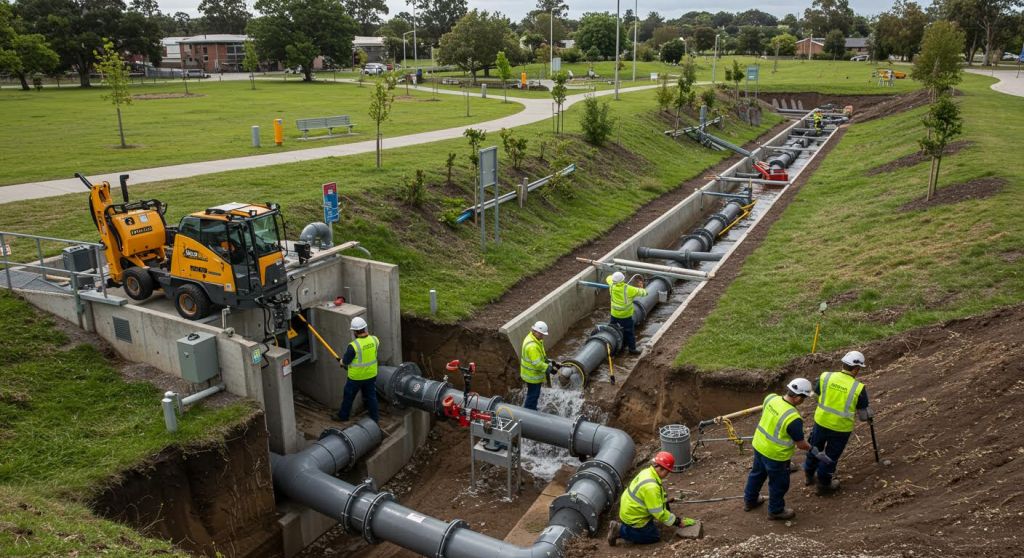
Leveraging Green Roofs for Improved Water Retention
Eco-friendly roofing systems are an innovative and lasting approach to handling stormwater, particularly in metropolitan locations like Omaha, NE, where stormwater administration is significantly essential due to city development and changing weather patterns. By integrating vegetation, soil, and drain layers on rooftops, eco-friendly roofs provide a series of environmental advantages, particularly in enhancing water retention and decreasing drainage.
Stormwater erosion repair Omaha Nebraska patches up yards before they slide downhill.
- Stormwater inspection Omaha Nebraska reveals the truth before the rain does.
- Stormwater drainage Bellevue NE
- Commercial stormwater systems Omaha NE
Among the crucial benefits of eco-friendly roof coverings is their capacity to take in and retain rain. The plants and dirt layers function as a sponge, capturing rainfall and preventing large quantities of water from overwhelming stormwater framework. This is especially valuable in Omaha, where heavy rainfalls can lead to surface area flooding and stress the city's combined sewer system. By reducing the quantity of drainage going into tornado drains, green roof coverings assist to alleviate flooding dangers and safeguard water quality, as less contaminated overflow enters regional rivers and streams.
Furthermore, green roofing systems add to stormwater management by reducing the circulation of water. Unlike traditional resistant roofings that funnel water right into rain gutters and storm drains pipes practically right away, green roofing systems postpone the launch of water, reducing peak flows throughout tornados. This assists to reduce the risk of sewer overflows, which can be a significant issue in cities with maturing infrastructure like Omaha.
Past water retention, green roofings provide various other benefits that straighten with ideal methods for stormwater administration. They enhance urban air high quality, lower the urban heat island effect, and supply habitat for pollinators and other wild animals. These complex benefits make green roof coverings a useful tool for creating resilient and sustainable cities.
To make the most of the influence of environment-friendly roofing systems in Omaha, it is essential to urge their fostering through incentives, education, and policy support. City governments and organizations can offer gives or tax credit ratings to homeowner who mount environment-friendly roofs, helping to offset preliminary costs. Furthermore, educating residents and developers about the long-term ecological and financial benefits of eco-friendly roofs can cultivate better acceptance and implementation.
In conclusion, leveraging environment-friendly roofs is a reliable and forward-thinking technique for improving water retention and managing stormwater in Omaha, NE. By reducing drainage, reducing peak flows, and offering a host of additional benefits, green roofings have the possible to change city landscapes while attending to crucial ecological difficulties. Embracing this method as part of a wider stormwater administration strategy will certainly aid Omaha develop a much more lasting and resilient future.


